Find out why your Canada visa was refused, in the officer's own words.
Still waiting for a decision? See what the officer has recorded on your file so far.
- Filed within 24 hours of receiving your payment, documents and signed consent form.
- From ₹499C$29US$19, GST includedthe total we charge.
- 5.0 on Google · 111 reviews for Pro Lifeset Overseas, checked 12 October 2026 (opens in a new tab)
 See a sample page
 What customers said
Google reviews of Pro Lifeset Overseas Pvt. Ltd., the company behind this site: 5.0 from 111 reviews, checked 12 October 2026 (opens in a new tab).
My Canada visitor visa was refused and I was very upset and almost lost hope. Lifeset Overseas helped me get my GCMS/CAIPS notes, explained the refusal reasons properly and prepared my new application very carefully. Finally I got my Canada visa! Really thankful to the whole team. Very personalized service and everyone is extremely helpful. They even replied to my doubts after office hours. Highly recommended, especially for Canada visa refusal cases.
H. R.Google
Thank you for helping me out for providing guidance to get Canada visa. I filed my file by myself with the guidance of LifeSet Overseas. For a small guidance fee it was awesome, otherwise I could make mistakes which could lead to refusal.
P. S.Google
Very transparent and supportive staff. Lifeset Overseas helped me with my visitor visa application and the process was stress-free. They keep you updated at every step and provide honest advice. Best immigration consultants in Patiala.
A. B., PatialaGoogle
Very very good service. Thanks Lifeset for getting me Canada tourist visa on time.
K. R.Google
Very experienced staff. Only they were able to guide me through visitor visa process of Canada. Thanks Lifeset for your help.
M. K.Google
Choose what you need
Prefer that we call you?
Leave your number and we call you back, free, in office hours (Mon–Sat, 10am–7pm IST). Or call us now on +91 91155 80911.
Prepare your next application.
Turn a folder of documents into an organised, upload-ready file for your next application.
- Document organisation
- Upload-ready files
- A clear filing checklist
We prepare the documents. You submit them yourself in your own IRCC account. We do not represent you to IRCC.
GST included. IRCC application and biometric fees are separate.
Ask about preparing my fileSee what’s includedNo visa approval is guaranteed. We confirm the scope before you pay.
Three simple steps.
- 1Choose & chat
We confirm the right service and price with you.
- 2Pay & send documents
Your team member guides you through what’s needed.
- 3Receive your notes
Track your request. Get help understanding the notes.
Services & pricesAll request and reading options.
COMPARE THE OPTIONS
Services & prices
GST is included in every price. The price you see is the total you pay.The price you see is the total you pay. Pay 50% now and 50% after we file.
Showing all services
Refused
CAIPS Notes
Want the notes only
Refused, and you have your application number.
₹499C$29US$19 GST included. This is the total you pay.This is the total you pay.
- The officer's notes on your refusal
- Sent to you on WhatsApp
Our filing target: We file within 24 hours
CAIPS Notes + Application File
Want the file too
Refused, and you want the application file too.
₹999C$59US$39 GST included. This is the total you pay.This is the total you pay.
- The officer's notes
- Your application file from IRCC
Our filing target: We file within 24 hours
Complete — Notes + File + Written Reading
Want it explained
Refused, and you want the file and our written reading too.
₹1,499C$89US$59 GST included. This is the total you pay.This is the total you pay.
- The officer's notes and your file
- Our written reading in simple English
Our filing target: We file within 24 hours
Priority Complete — Filed within 1 Hour
Want 1-hour filing
Refused, and you want everything in Complete, filed within 1 hour (in office hours).
₹1,999C$119US$79 GST included. This is the total you pay.This is the total you pay.
- The officer's notes and your file
- Our written reading in simple English
Our filing target: We file within 1 hour, in office hours
No application number
CAIPS Notes without Application Number
Lost the number
Refused, but you lost the application number.
₹799C$49US$29 GST included. This is the total you pay.This is the total you pay.
- The officer's notes
- We ask IRCC to search by your name and passport
Our filing target: No set filing time
CAIPS Notes + File without Application Number
Lost number, want file
Lost the application number, and you want the file too.
₹1,299C$79US$49 GST included. This is the total you pay.This is the total you pay.
- The officer's notes and your file
- We ask IRCC to search by your name and passport
Our filing target: No set filing time
Still processing
Under-Process Application
No decision yet
No decision yet. Your application is still in process.
₹499C$29US$19 GST included. This is the total you pay.This is the total you pay.
- What the officer has written so far
- Checks still pending, if written down
Our filing target: We file within 24 hours
Already have notes
Reading of notes you already have
Need notes explained
You already have notes, from us or anywhere else.
₹699C$39US$25 GST included. This is the total you pay.This is the total you pay.
- Our written reading in simple English
- What each key line means for your next application
“Order on WhatsApp” opens a chat with the service named. Nothing is ordered until you pay the link we send. Compare all services · What CAIPS notes cost: IRCC's fee and ours
Questions first? Call or WhatsApp +91 91155 80911.
Our filing time starts when we have your payment, documents and signed consent form. IRCC’s reply time is separate. It is the same for every service.
You can also request your own records from IRCC free. Do it yourself or let us do it?
Your right to request your own records
As of 4 October 2026, you can request your own personal records free, from anywhere in the world, without a representative.
“is extended to include all individuals outside Canada to whom that right has not been extended previously.”
Privacy Act Extension Order No. 3, section 1 · IRCC’s free request instructions
How ordering worksPayment, documents and filing.
How ordering works
It all happens in one WhatsApp chat. No forms, no office visit.
You: I want CAIPS Notes ₹499C$29US$19
- Us:
Here is your payment link (50%). Please send your passport photo page and refusal letter.
- Us:
Filed with IRCC — here is your confirmation.
- You tell us which service you want.
- You pay 50% and send your documents.
- We file with IRCC and send you the proof. Then you pay the other 50%.
The chat is an example, not a real customer. Nothing is ordered until you pay the link we send.
Our team & companyOffice, company details and contact.
Who we are
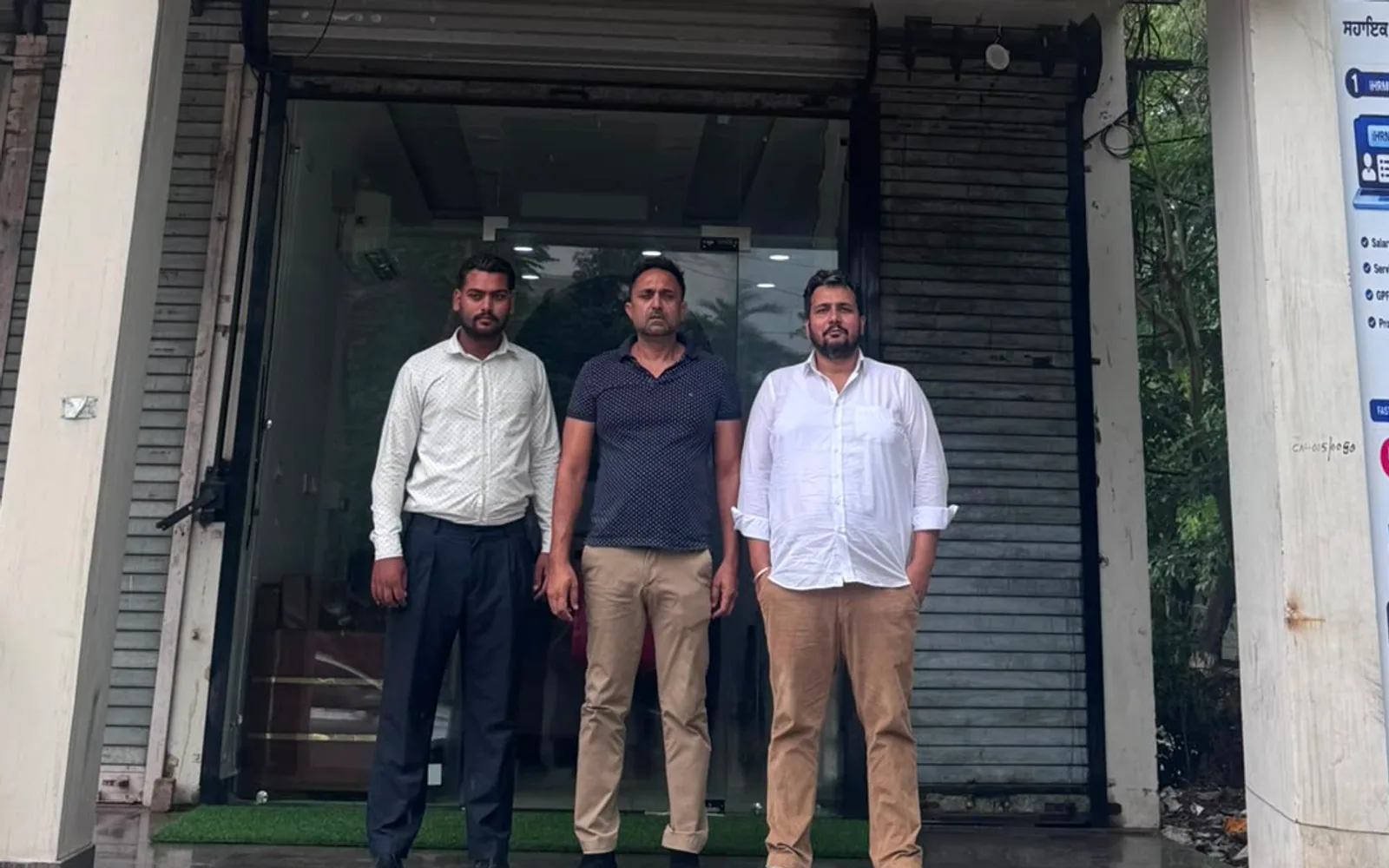
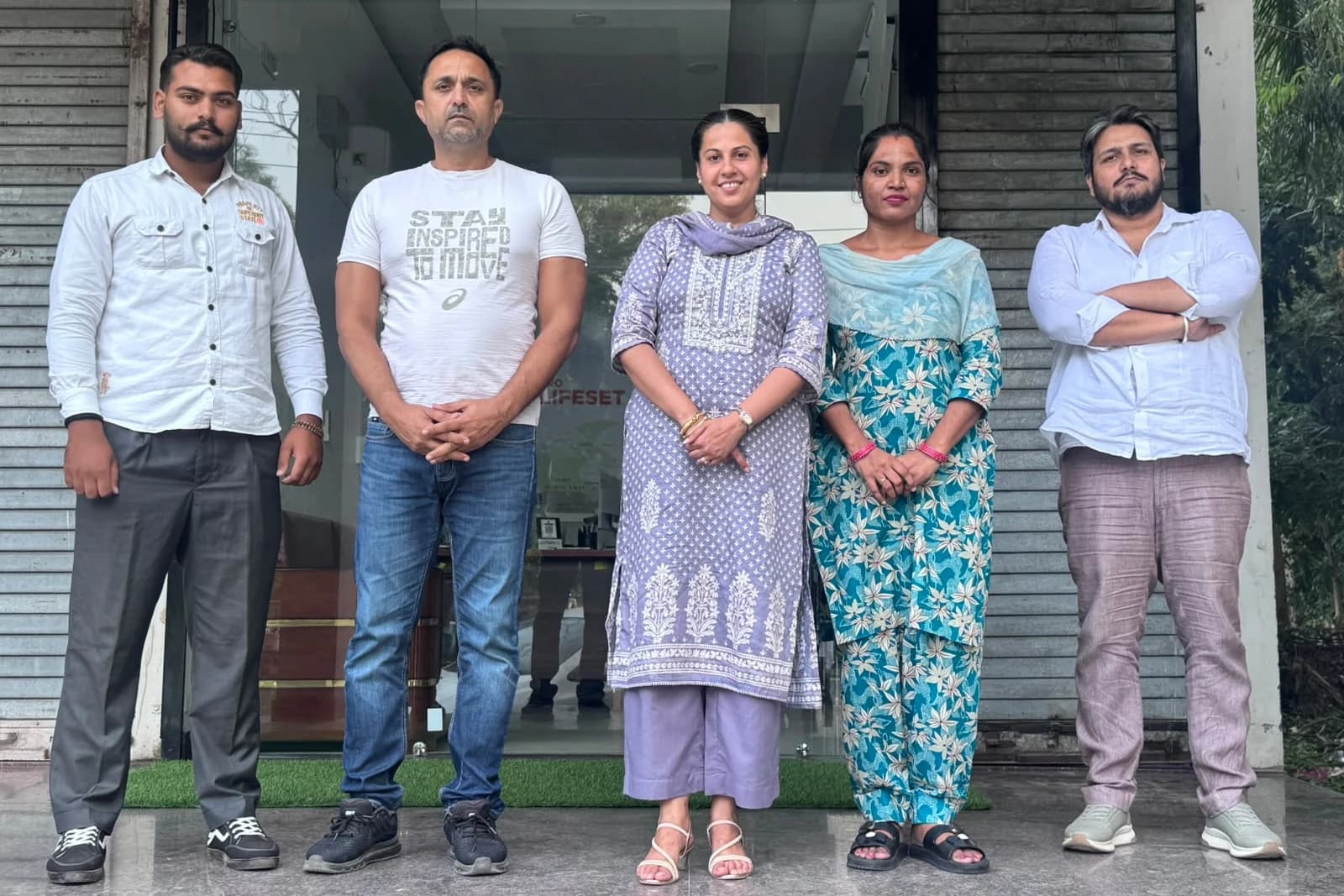
Meet the team

Narinder Chahal
Director & Senior Consultant

Sherbir Grewal
Director & Senior Consultant

Rohit Gir
Documentation & Profile Review
- Pro Lifeset Overseas Pvt. Ltd.An independent Indian company.
- WhatsApp us+91 91155 80911 · opens WhatsApp (opens in a new tab)
- Call us+91 91155 80911
- HoursMon–Sat, 10am–7pm IST
- OfficeShop No. 2, near PRTC Workshop, Nabha Road, Patiala 147001, Punjab, India (opens in a new tab)
- Emailinfo@caipsnotesapply.com
Punjab (India) licence 849/DC/PTA/PLA/LC-3/2024. It is an Indian licence, not a Canadian one. We are not a Canadian immigration representative. We do not represent you to IRCC.
WhatsApp opens with a short general message and nothing about you. Nothing is ordered until you pay the link we send.
 (opens the full photo in a new tab)